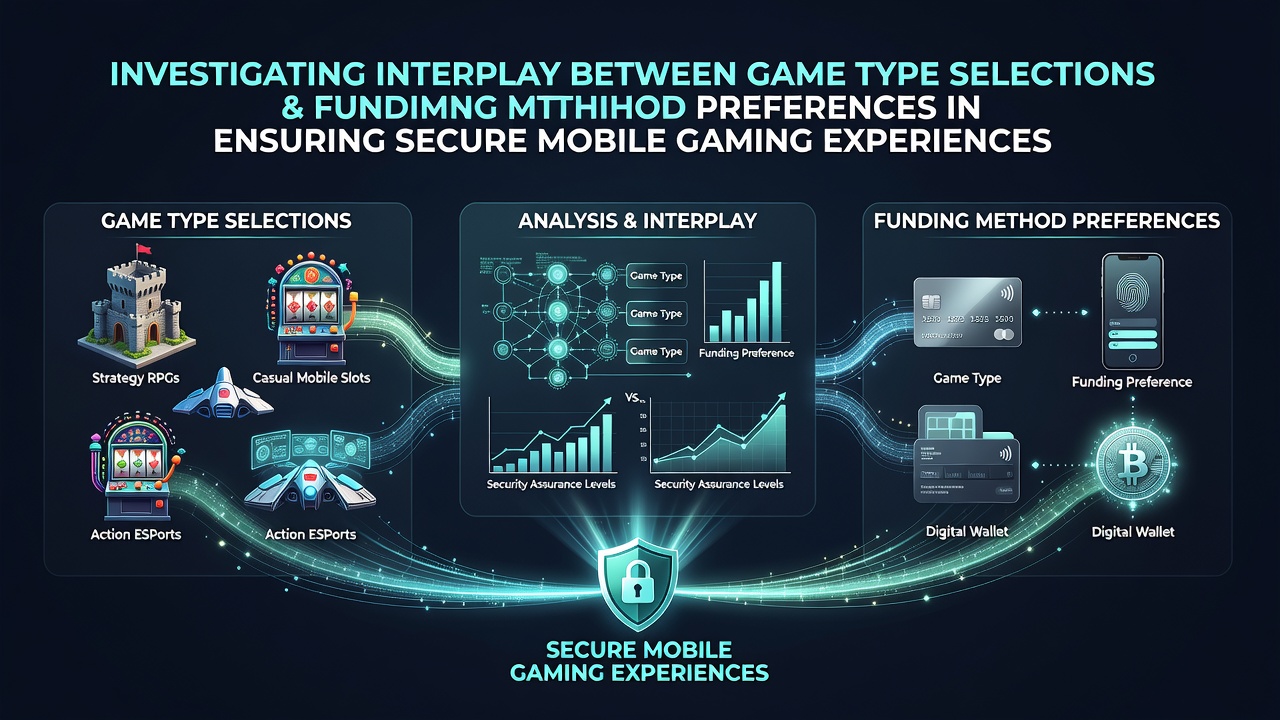
Investigating Interplay Between Game Type Selections and Funding Method Preferences in Ensuring Secure Mobile Gaming Experiences
Game type selections in mobile gaming environments often align with specific funding method preferences because each category carries distinct security requirements that shape how players manage transactions. Slots, table games, and live dealer formats operate on different risk profiles, and data from regulatory reports indicate that users adjust their payment choices accordingly to maintain encryption standards, verification layers, and fraud detection mechanisms. Observers note that mobile platforms have seen increased integration of these elements since 2024, with October 2026 marking further updates in authentication protocols across multiple jurisdictions.
Game Type Categories and Their Transaction Patterns
Slots typically feature rapid, smaller-value transactions that favor funding methods supporting instant processing with built-in spending limits. Research indicates these games attract e-wallet options because they provide tokenization that reduces exposure of banking details during frequent spins. Table games such as blackjack or roulette involve larger bets at irregular intervals, which leads many players toward bank transfer systems equipped with multi-factor authentication. Live dealer environments add another layer since real-time video streams require stable connections that coincide with payment gateways offering session-based security tokens. Studies from academic institutions show that selection of live formats correlates with higher use of prepaid cards in regions where regulators enforce strict deposit caps.
Funding Methods and Security Frameworks
Credit and debit cards remain common across mobile gaming because they integrate with established 3D Secure protocols that verify identity before each session begins. E-wallets add an intermediary layer that masks primary account information while still allowing quick top-ups for different game types. Bank transfers provide direct ledger access yet require longer processing windows that suit slower-paced table sessions. Cryptocurrency options have gained traction in certain markets because blockchain verification creates immutable records that align with live dealer security audits. Data from government agencies in Australia and Canada reveal that preferences shift when platforms update their encryption standards, particularly when game types demand higher bandwidth for uninterrupted play.
Interplay Between Selections and Security Outcomes
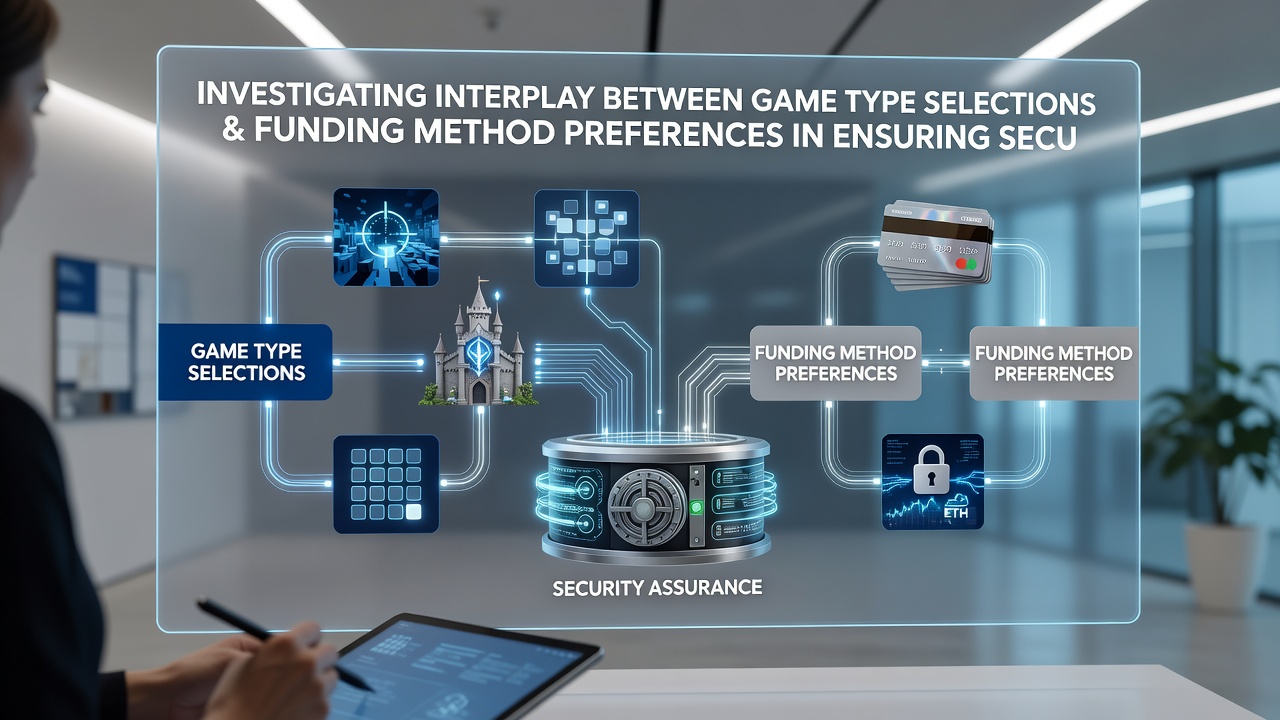
The relationship between game type and funding preference becomes evident when platforms enforce risk-based authentication that adapts to bet size and session length. Players engaging with high-volatility slots often pair those activities with funding tools that include automatic fraud alerts triggered by unusual patterns. Those focused on live table games tend to select methods with extended verification windows that match the deliberate pace of dealer interactions. Evidence suggests that mismatches between these elements can increase vulnerability to account takeovers, which is why operators implement dynamic controls that prompt alternative payment choices when game selections change mid-session. Reports compiled by research bodies in the European Union and the United States highlight that coordinated preferences reduce unauthorized access incidents by measurable percentages in 2025 and early 2026 data sets.
October 2026 has brought additional emphasis on cross-platform compatibility, where mobile operating systems now interface more directly with gaming apps to share security certificates. This development allows funding methods to inherit device-level protections such as biometric locks that activate differently depending on whether a user switches from slots to live formats. Industry analyses show that regions with unified regulatory approaches experience smoother adoption of these integrated systems compared with fragmented markets.
Regional Regulatory Influences on Preferences
Regulatory frameworks in New Jersey and Ontario have documented how licensing conditions affect the alignment of game types with secure funding. Operators must demonstrate that payment gateways meet minimum encryption thresholds before offering live dealer products, which influences the menu of available methods. Similar requirements in Australian states tie funding approvals to game volatility ratings, creating documented patterns in transaction data. These rules encourage platforms to present tailored recommendations that match user selections with verified tools, reducing friction while preserving security layers.
Conclusion
Patterns across game type selections and funding method preferences demonstrate measurable connections to security outcomes in mobile gaming. Regulatory data and platform metrics indicate that deliberate pairing of these elements supports stronger verification processes and lower exposure to common threats. Continued evolution in authentication technology through late 2026 suggests further refinement of these relationships as operators respond to regional requirements and user behavior trends.