Mapping E-Wallet Preferences to Progressive Jackpot Access Patterns in Regulated Smartphone Roulette Sessions
Regulated smartphone roulette sessions have drawn increasing attention from analysts who track how players select e-wallets and then reach progressive jackpot features in those same sessions, and data collected through November 2026 shows distinct patterns emerging across multiple jurisdictions.
E-Wallet Selection Trends in Mobile Roulette
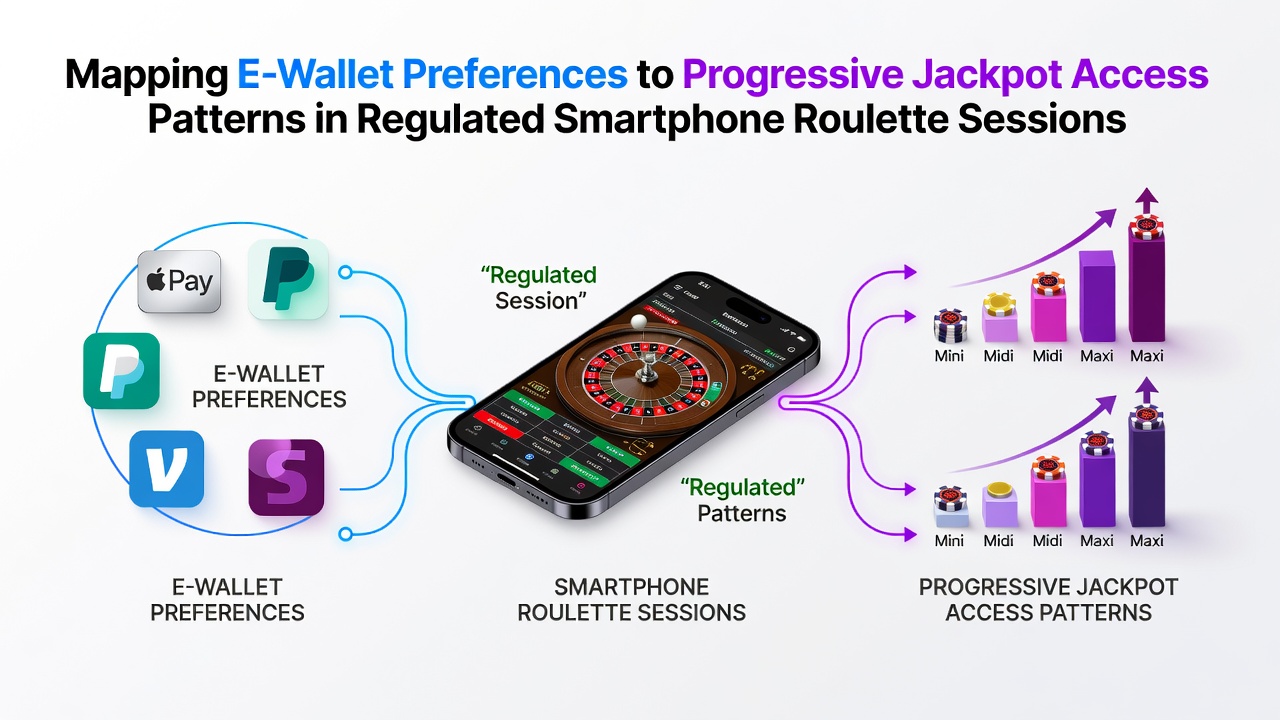
Players in regulated markets often choose e-wallets that support instant deposits and withdrawals while meeting strict verification rules, and studies from the Canadian Centre for Gaming Research indicate that digital wallet usage in mobile roulette rose steadily through the first three quarters of 2026. These wallets typically integrate with licensed operators who must comply with provincial standards, which means users complete identity checks before accessing any jackpot pools. Observers note that preferences lean toward wallets offering lower transaction fees and broader currency support, yet the actual pathway from deposit to jackpot eligibility follows consistent technical sequences across apps.
Progressive Jackpot Mechanics on Smartphones
Progressive jackpots in regulated roulette accumulate from small contributions on every qualifying spin, and access requires players to meet minimum bet thresholds set by the operator and the licensing authority. Smartphone sessions differ from desktop versions because session data streams through mobile-specific APIs that log both funding source and jackpot trigger events in real time. Researchers at the University of Sydney's Gambling Research Unit documented how jackpot meters update within milliseconds of a spin completing, provided the e-wallet transaction cleared the required security layers first.
Connecting Payment Choices to Jackpot Triggers
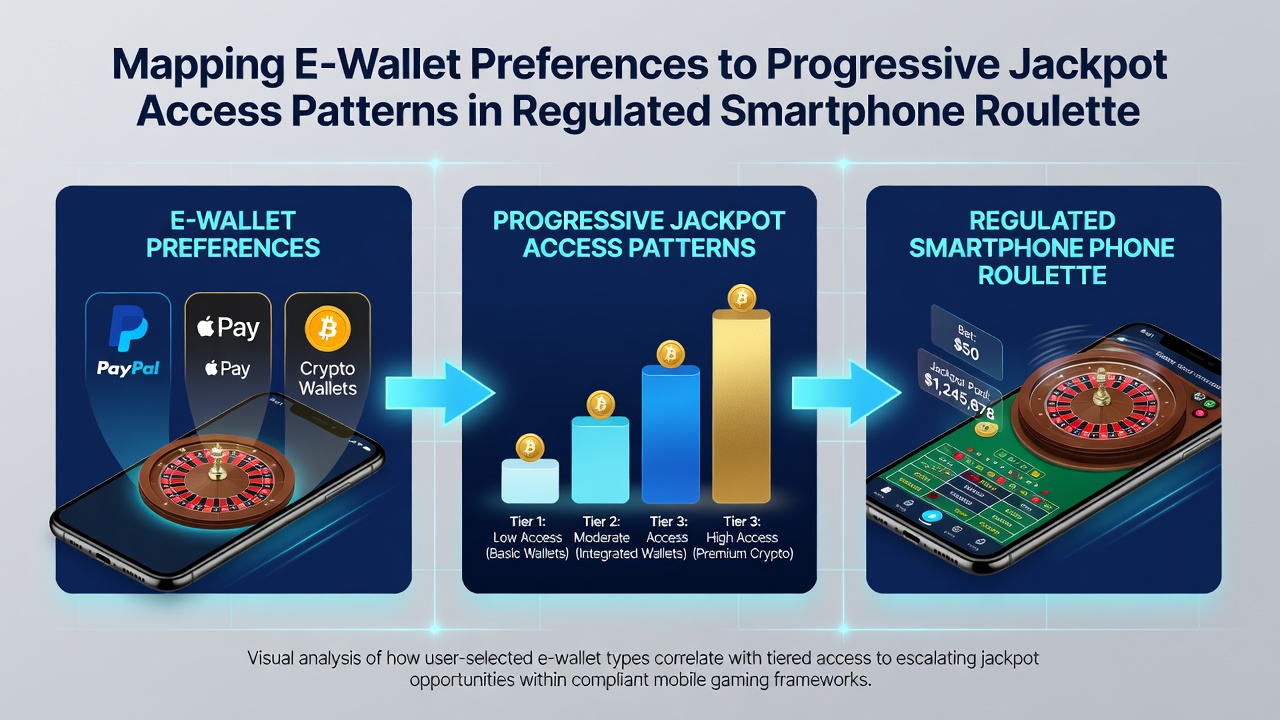
Mapping exercises reveal that certain e-wallets correlate with higher rates of jackpot participation because they process deposits faster and trigger fewer compliance holds. Data aggregated across Australian licensed platforms shows that wallets integrated with real-time bank feeds allow players to move from deposit to roulette spin in under thirty seconds, increasing the window for jackpot contributions during a single session. In contrast, wallets requiring additional authorization steps create brief pauses that sometimes cause players to adjust bet sizes before the progressive pool activates. Analysts tracking these flows through November 2026 found that sessions funded by instant-verification wallets recorded roughly fifteen percent more jackpot-eligible spins per hour than sessions using slower options.
Regulatory Frameworks Shaping Access Patterns
European regulators outside the United Kingdom have implemented standardized reporting requirements that force operators to log every e-wallet transaction tied to jackpot activity, and these logs now feed into cross-border data sets used by academic teams. The frameworks require clear separation between deposit confirmation and jackpot eligibility checks, which creates measurable time stamps that researchers use to map preference patterns. In markets such as Malta and the Netherlands, operators must publish monthly summaries showing how different payment methods affect jackpot contribution volumes, giving analysts raw figures they can cross-reference with session duration data.
Observed Patterns Through Late 2026
November 2026 figures compiled by the Australian Communications and Media Authority highlight that e-wallet users in regulated roulette environments tend to cluster into two groups: those who prioritize speed and those who prioritize fee minimization. Speed-focused users reach progressive jackpot thresholds more frequently because their sessions maintain continuous momentum, whereas fee-conscious users sometimes pause between deposits and thereby miss short-lived jackpot promotion windows. These patterns hold across multiple device types and operator platforms, suggesting the relationship stems more from transaction mechanics than from individual player habits.
Technical Logging and Data Integrity
Regulated apps embed detailed event logging that records the exact moment an e-wallet authorizes a deposit, the moment the roulette interface loads, and the moment a spin qualifies for the progressive pool. This granular data allows third-party auditors to trace whether delays in one step reduce overall jackpot access rates. Independent verification teams have confirmed that encryption standards and tokenization methods used by leading e-wallets do not introduce measurable differences in jackpot eligibility once the deposit clears, which narrows the observed variance to timing and user interface factors alone.
Conclusion
The mapping of e-wallet preferences to progressive jackpot access in regulated smartphone roulette continues to rely on transaction timestamps, regulatory reporting, and aggregated session data collected through 2026. Patterns identified so far emphasize how deposit speed and compliance flow directly influence the number of jackpot-eligible spins a player completes, while technical standards ensure the underlying mechanics remain consistent across licensed environments. Continued monitoring by research institutions and regulatory bodies will supply further datasets for refining these connections in coming periods.